
Cameroonian fashion celebrates creativity, culture, and individuality. The designers featured in Part II blend tradition with modern style, preserving Cameroon’s heritage while helping bring African fashion to the world.


Imane Ayissi blends African textiles, patterns, and craftsmanship with modern silhouettes and techniques. Known for his commitment to sustainability and ethical fashion, he promotes environmentally friendly materials and fair trade practices. His Foufoullou collection, showcased at Paris Fashion Week in January 2022, brought further international recognition. Through his innovative designs, Ayissi celebrates African heritage while connecting traditional aesthetics with contemporary fashion.


Shweshwe fabric has roots in Asia and Europe and became deeply associated with South Africa. It was introduced to King Moshoeshoe I of Lesotho by French missionaries in the 1840s and became popular among the Sotho people. Today, Shweshwe is celebrated in South African fashion for its distinctive indigo patterns and is used in clothing, accessories, and home décor.
.jfif)
Shweshwe is known for its stiff cotton texture, distinctive indigo color, and intricate floral, geometric, and striped patterns. Traditionally produced using acid discharge and roller printing, the fabric is typically made from pure cotton. Today, manufacturers such as Da Gama Textiles continue to produce Shweshwe while preserving its distinctive designs and heritage.
Shweshwe fabric, rooted in South African tradition, features geometric patterns with cultural symbolism, representing aspects of life such as fertility and spirituality. It holds profound cultural significance, symbolizing identity, celebrating milestones, and preserving ancestral traditions.


Wearing Shweshwe allows people to celebrate their heritage and cultural identity. Traditionally used for dresses and aprons among Xhosa and Sotho women, the fabric is now popular across South Africa and beyond. Its distinctive patterns are also used in accessories, upholstery, and quilting.
.png)
The Shweshwe fabric is a testament to the power of cultural expression and the resilience of traditional craftsmanship. Its intricate patterns, vibrant colors, and rich history have made it an integral part of South African fashion and a source of inspiration for designers worldwide. As this fabric continues to evolve and enchant, it symbolizes cultural pride and an enduring connection to South Africa's vibrant heritage.
Wrapped in Shweshwe, we don't just wear fashion; we wear history, pride, and the soulful rhythm of South Africa's artistic heartbeat. - La Djalobienne Eton
https://deluxefabrics.co.za/brief-history-of-shweshwe-fabric/
https://en.wikipedia.org/wiki/Shweshwe
https://en.wikipedia.org/wiki/Moshoeshoe_I
Facebook imageIn Search of Shweshwe — Just a Little Further — Background on Shweshwe's history, traditional uses, indigo color, printing technique, and connection to Xhosa and Sotho clothing.
.jfif)

Batik originated in Indonesia and is traditionally made by applying wax to fabric before dyeing, creating distinctive patterns. During Dutch colonial rule, Dutch merchants attempted to introduce batik-inspired prints to Europe but found greater success when they later brought them to Africa in the 19th century.
Over time, African communities adapted these prints by incorporating local colors, symbols, and designs. Today, African wax prints are an important part of African fashion, particularly in West and Central Africa, where they are widely used for clothing and cultural expression.
.png)
Kitenge is a vibrant storytelling fabric — rich patterns, deep symbolism, and cultural pride woven into every thread. Worn across Africa, it reflects identity, heritage, and creativity, from everyday style to ceremonial meaning. Versatile, expressive, and timeless, Kitenge continues to unite generations through color, pattern, and tradition. men in Malawi, encouraged by a presidential initiative promoting local products.
Kitenge has moved far beyond tradition — it’s now a bold force in modern style. Young designers blend its vibrant patterns with contemporary silhouettes, creating fashion that feels both global and deeply African. The fabric shows up everywhere: streetwear, accessories, runway collections, and even framed art that brings African aesthetics into the home.

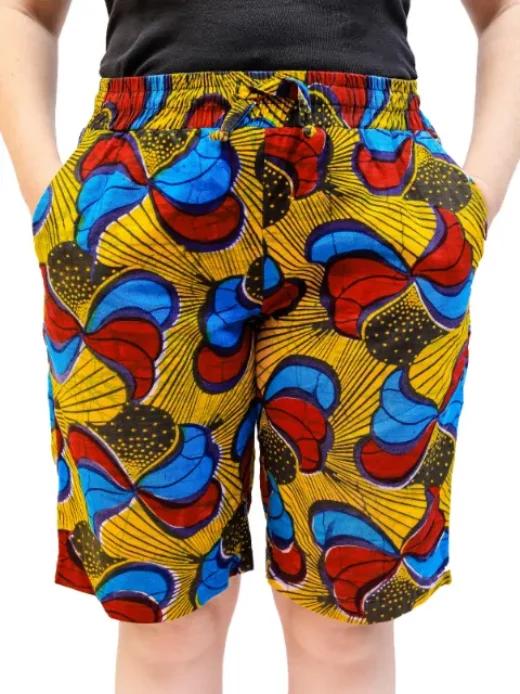


Social media and online platforms have amplified its reach, helping artisans share their craft and keep cultural heritage alive through fresh, innovative design.
Kitenge is style, identity, empowerment, and cultural pride woven into cloth. Its bold patterns challenge narrow beauty standards, uplift local artisans, and celebrate Africa’s diversity. Every design carries a story, connecting history, creativity, and modern expression. As it rises on global runways and digital platforms, Kitenge stands as a vibrant symbol of African fashion, making its mark worldwide.
The cloth does not make the person, but it reveals their character. - La Djalobienne Eton
References:


The Dashiki has deep roots in West Africa. Its name comes from the Yoruba term danshiki, meaning a short, sleeveless tunic, which was traditionally worn as a work garment. The term is believed to have originated from the Hausa dan ciki, referring to a short tunic worn under larger robes.
Similar tunics have been found in Dogon burial caves in Mali dating to the 12th and 13th centuries, suggesting a long history of this clothing style in the region. Traditionally made from handwoven strip cloth, the Yoruba danshiki featured deep armholes, pockets, gussets, and a flared hem. Today, similar tunics are widely worn across Africa as casual clothing, often paired with matching trousers.
.jfif)
The Dashiki holds deep cultural significance for African Americans and the African diaspora, symbolizing African heritage, identity, and pride. Its vibrant colors, loose-fitting design, and bold patterns became powerful expressions of cultural identity.
During the 1960s and 1970s, African Americans embraced the Dashiki as part of Black cultural pride and the Black Power movement. Wearing it challenged mainstream Western fashion and became a visible statement of resistance to racism, cultural assimilation, and systemic oppression.
One of the most striking aspects of the Dashiki is its vibrant and eye-catching design. Traditionally, the cloth is made from 100% cotton, offering comfort and breathability in warmer climates. The fabric is adorned with intricate patterns and motifs, featuring geometric shapes, symbols, and bold color combinations. Popular colors include red, blue, yellow, green, and orange shades, but there are many more.


The Dashiki has gained global popularity for its vibrant colors, bold patterns, and distinctive style. Online marketplaces and major fashion brands have helped expand its reach, making it accessible to diverse audiences worldwide.


The Dashiki's influence extends beyond clothing, significantly impacting accessories, bags, hats, and jewelry. As the vibrant African-inspired garment gains popularity, retailers have embraced its unique patterns and colors in various accessory offerings. Accessories play a crucial role in expressing individual style and enhancing fashion ensembles.


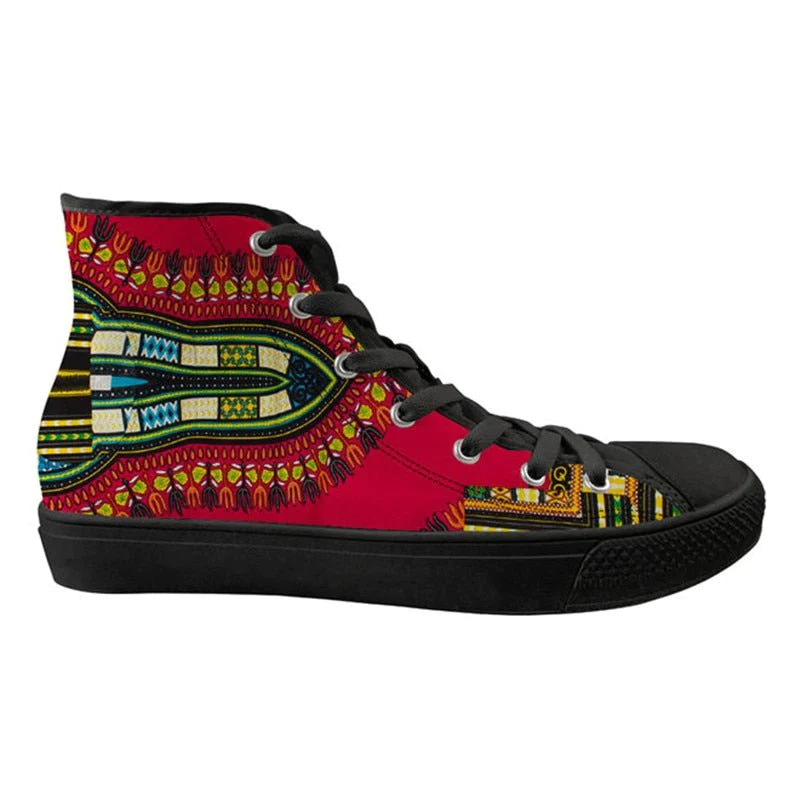

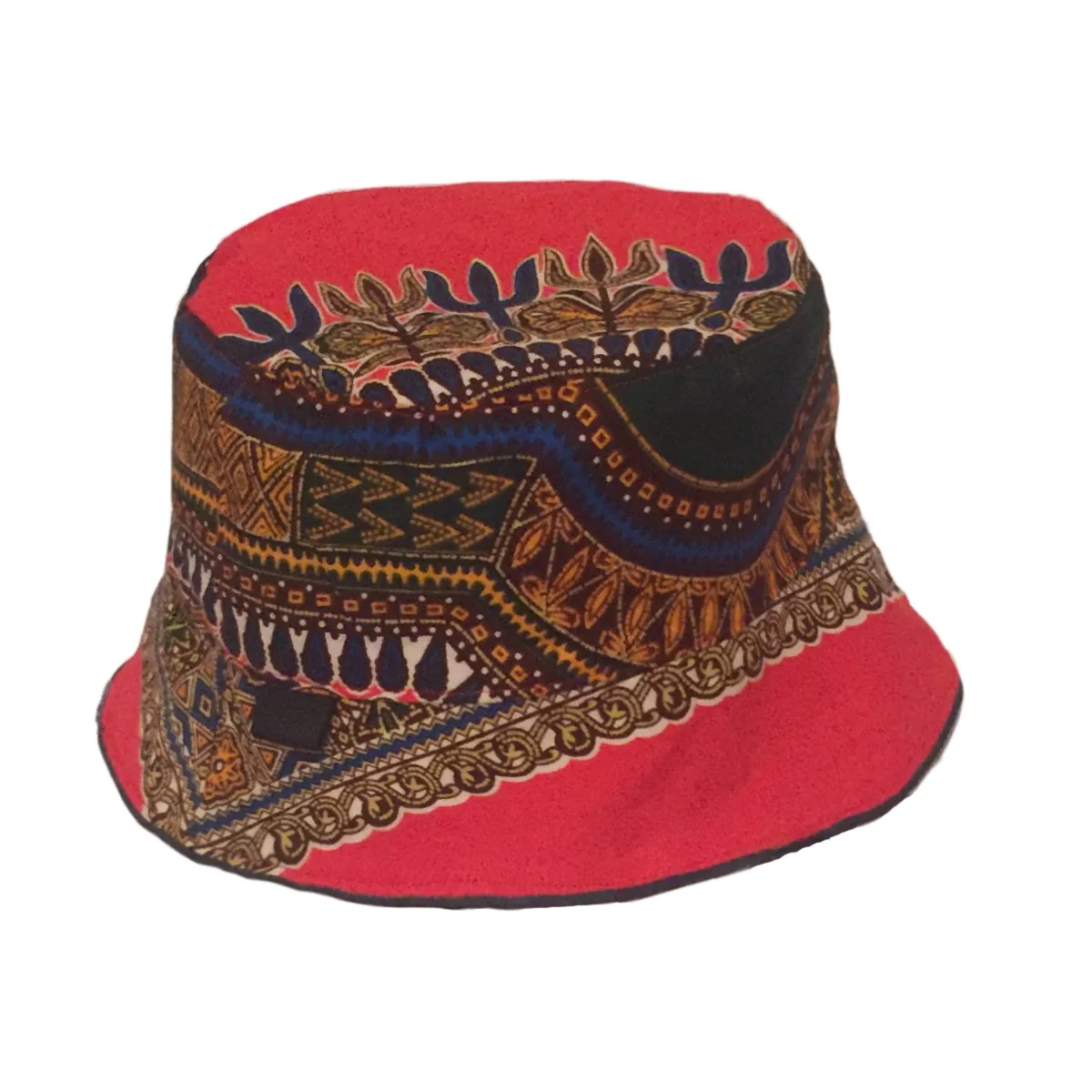

The Dashiki is a powerful symbol of cultural expression and identity. With its vibrant colors, bold patterns, and rich history, it has evolved from a West African garment into a global symbol of African heritage, pride, and resilience. Its versatility and enduring appeal continue to celebrate cultural heritage while demonstrating fashion’s power to connect people across cultures.
Dashiki, the fabric of our roots, wears the tales of ancestors with grace, turning each thread into a bridge connecting the past and the present. - La Djalobienne Eton


.jfif)


.png)
