

Origins and History
The Dashiki has deep roots in West Africa. Its name comes from the Yoruba term danshiki, meaning a short, sleeveless tunic, which was traditionally worn as a work garment. The term is believed to have originated from the Hausa dan ciki, referring to a short tunic worn under larger robes.
Similar tunics have been found in Dogon burial caves in Mali dating to the 12th and 13th centuries, suggesting a long history of this clothing style in the region. Traditionally made from handwoven strip cloth, the Yoruba danshiki featured deep armholes, pockets, gussets, and a flared hem. Today, similar tunics are widely worn across Africa as casual clothing, often paired with matching trousers.
.jfif) Cultural Significance
Cultural Significance
The Dashiki holds deep cultural significance for African Americans and the African diaspora, symbolizing African heritage, identity, and pride. Its vibrant colors, loose-fitting design, and bold patterns became powerful expressions of cultural identity.
During the 1960s and 1970s, African Americans embraced the Dashiki as part of Black cultural pride and the Black Power movement. Wearing it challenged mainstream Western fashion and became a visible statement of resistance to racism, cultural assimilation, and systemic oppression.
Distinctive Features and Designs
One of the most striking aspects of the Dashiki is its vibrant and eye-catching design. Traditionally, the cloth is made from 100% cotton, offering comfort and breathability in warmer climates. The fabric is adorned with intricate patterns and motifs, featuring geometric shapes, symbols, and bold color combinations. Popular colors include red, blue, yellow, green, and orange shades, but there are many more.


Modern Influence and Global Marketplace Appeal
The Dashiki has gained global popularity for its vibrant colors, bold patterns, and distinctive style. Online marketplaces and major fashion brands have helped expand its reach, making it accessible to diverse audiences worldwide.


Beyond Clothing: The Dashiki Influence
The Dashiki's influence extends beyond clothing, significantly impacting accessories, bags, hats, and jewelry. As the vibrant African-inspired garment gains popularity, retailers have embraced its unique patterns and colors in various accessory offerings. Accessories play a crucial role in expressing individual style and enhancing fashion ensembles.


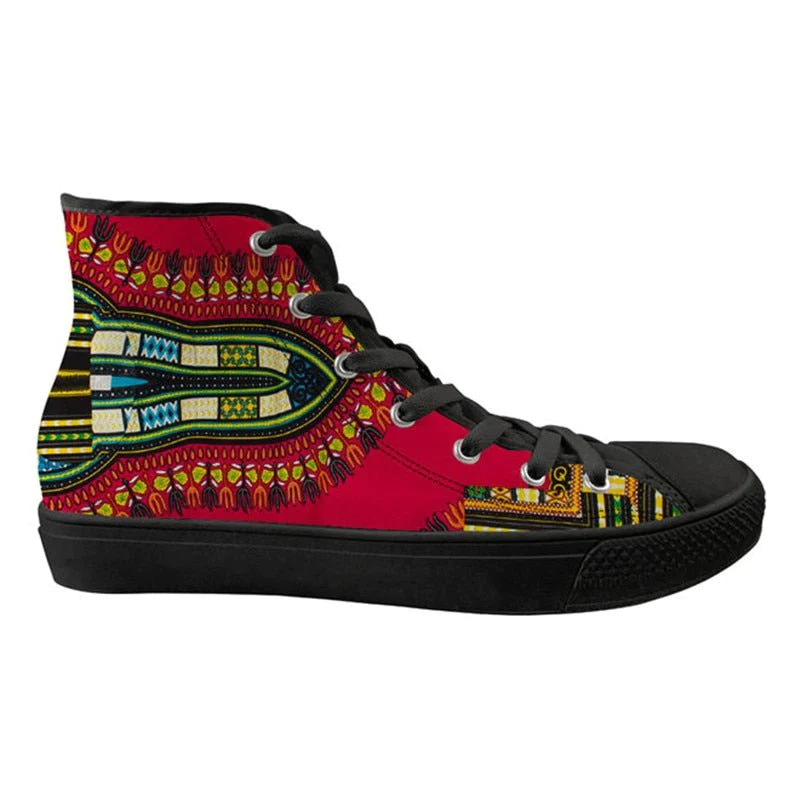

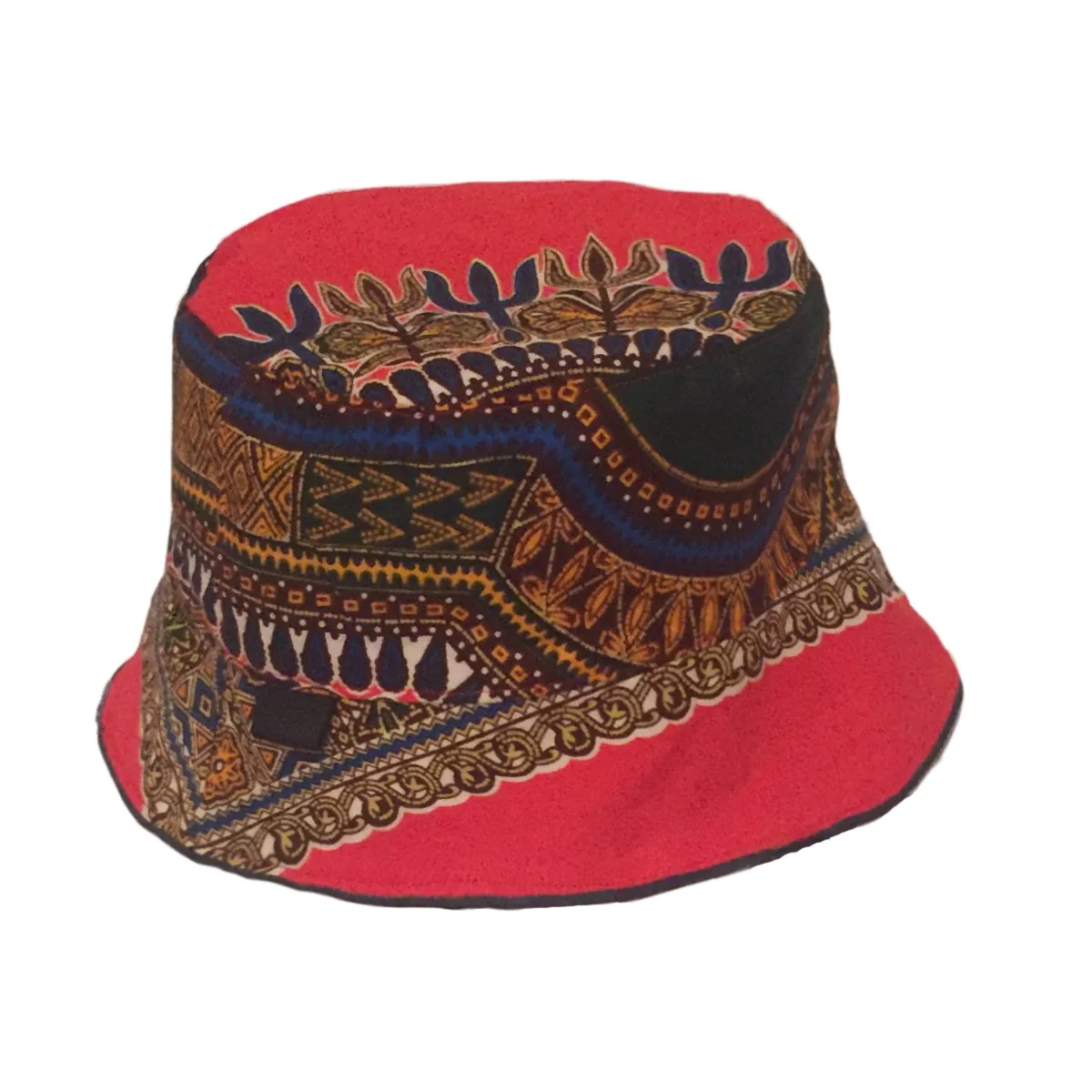

The Dashiki is a powerful symbol of cultural expression and identity. With its vibrant colors, bold patterns, and rich history, it has evolved from a West African garment into a global symbol of African heritage, pride, and resilience. Its versatility and enduring appeal continue to celebrate cultural heritage while demonstrating fashion’s power to connect people across cultures.
Dashiki, the fabric of our roots, wears the tales of ancestors with grace, turning each thread into a bridge connecting the past and the present. - La Djalobienne Eton
References
Smithsonian NMAAHC — Making African America: Politics
- Smithsonian Institution — “Dashiki.”
Smithsonian Institution — Dashiki
- Fashion History Timeline, Fashion Institute of Technology — “Dashiki.”
Fashion History Timeline — Dashiki
- Smithsonian National Museum of African American History and Culture — “Black Is Beautiful: The Emergence of Black Culture and Identity in the 60s and 70s.”
Smithsonian NMAAHC — Black Is Beautiful


.jfif)


No comments:
Post a Comment