Deep within the vibrant culture and heritage of Cameroon lies a textile masterpiece known as Ndop fabric. This remarkable fabric is visually stunning and carries profound historical significance. From its origins in the Bamileke and Bamoun kingdoms to its contemporary popularity, Ndop fabric continues to captivate the world with its intricate designs and cultural richness. Join us as we unravel the story behind Ndop fabric, exploring its symbolism, artistic techniques, and enduring allure.
Fabric with Royal Origins
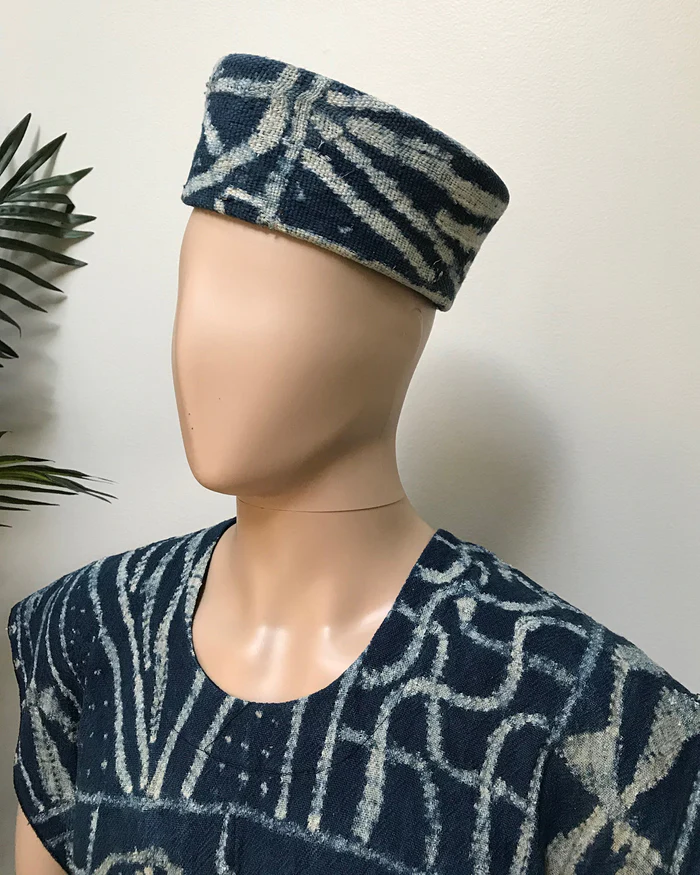
Ndop has been an important textile in Cameroon's Grassfields since the 19th century. Introduced from Wukari, Nigeria, it was once used as a form of currency before the Cameroonian Ndop emerged around 1920. Rich in symbolism, Ndop is traditionally worn by Bamileke and Bamoun royalty, chiefs, and dignitaries during important cultural and ceremonial events.
Symbolism Woven in Threads
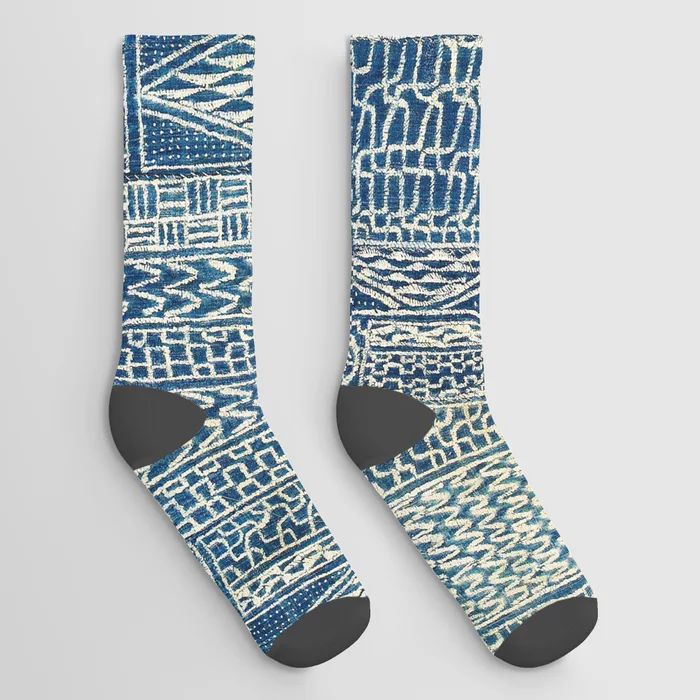
Ndop fabric is made from sewn cotton strips featuring white geometric patterns on an indigo-blue background. Its symbols, including animals, celestial shapes, and abstract designs, carry coded messages of peace, fertility, wisdom, and spirituality. The blue color represents the sky, sea, and supernatural forces, while motifs like the serpent, spider, turtle, and chameleon reflect royal strength, foresight, wisdom, and the cycle of life and death. Ndop is a powerful textile that preserves the history and cultural values of the Bamileke.
The Art of Ndop: Tradition to Modernity
- Traditional Manufacturing
Traditional Bamileke Ndop is made using a resist-dyeing technique in which raffia threads are stitched onto cotton fabric before it is dyed with indigo. After dyeing, the threads are removed to reveal distinctive white geometric patterns on a deep blue background. This centuries-old craft, preserved in production centers like Bandjoun and Baham, is passed down through generations and reflects the rich cultural heritage of the Bamileke people.
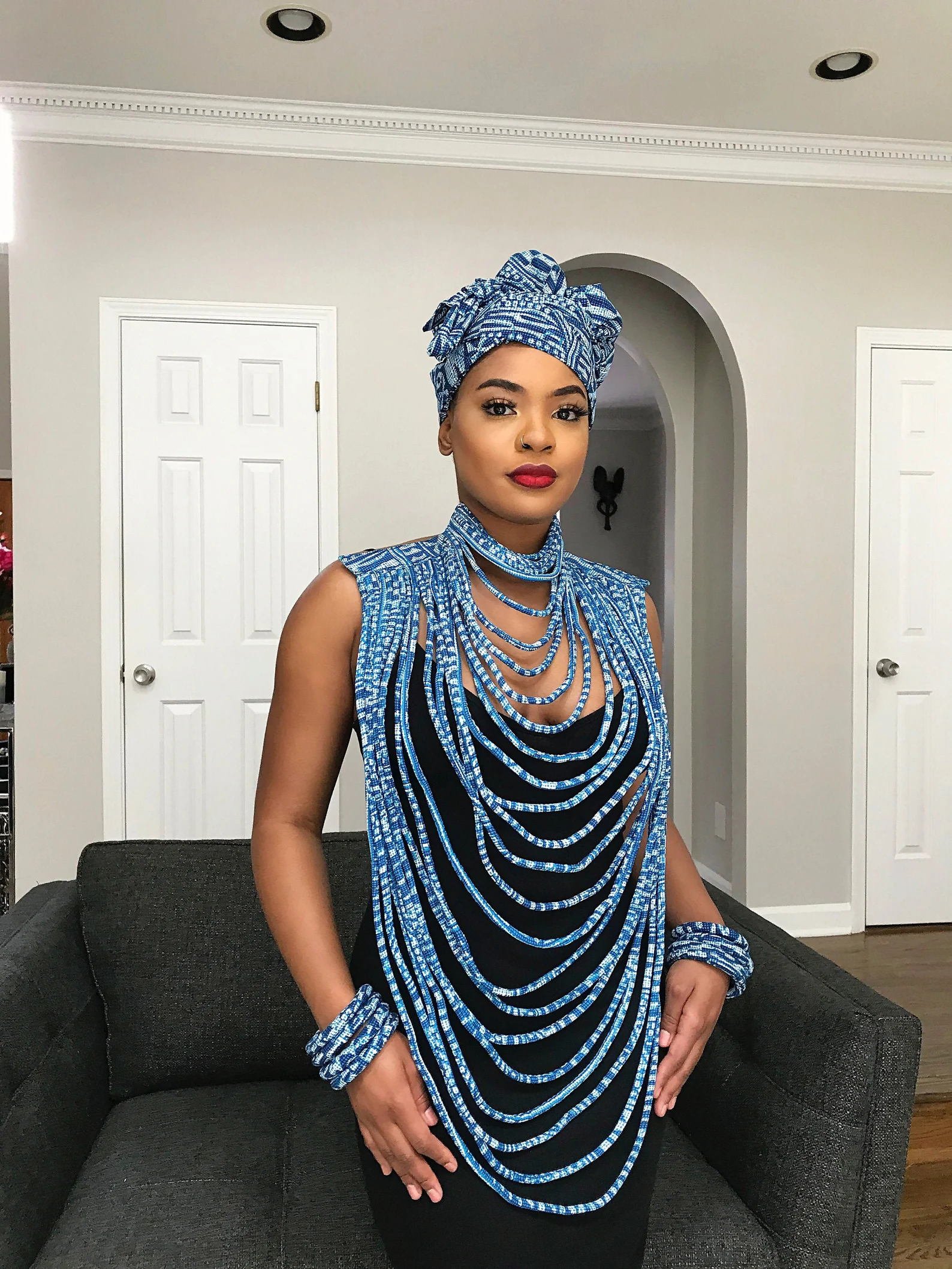
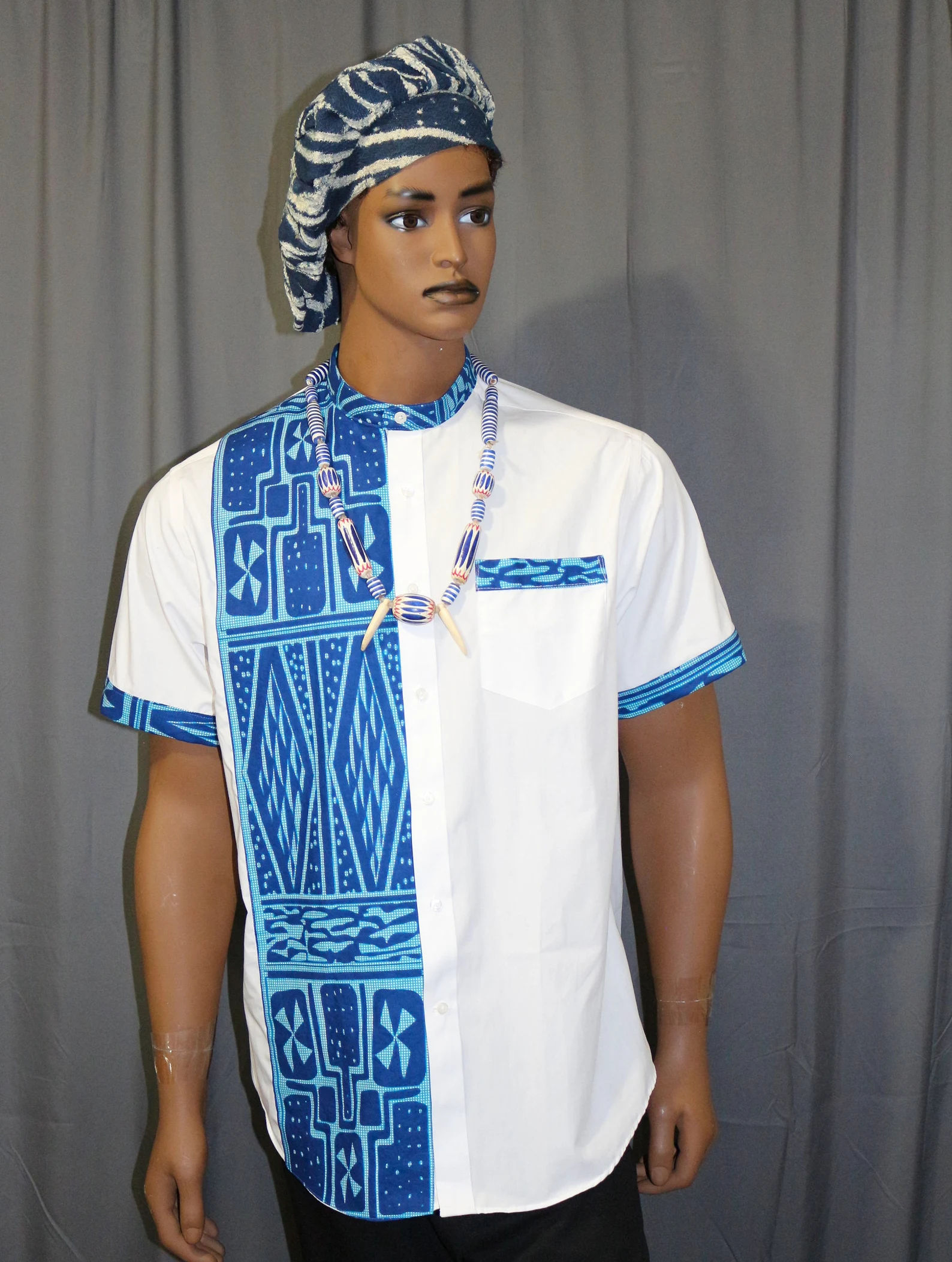
Modern Ndop has evolved from its traditional handwoven, resist-dyed form into fabrics produced through wax printing, rotary printing, and digital techniques. While preserving its iconic white geometric patterns on an indigo-blue background, today's Ndop blends cultural heritage with contemporary fashion. It remains a powerful symbol of Cameroon's effort to honor its traditions while embracing modern creativity.
Ndop Fabric: Weaving Tradition into Modern Life
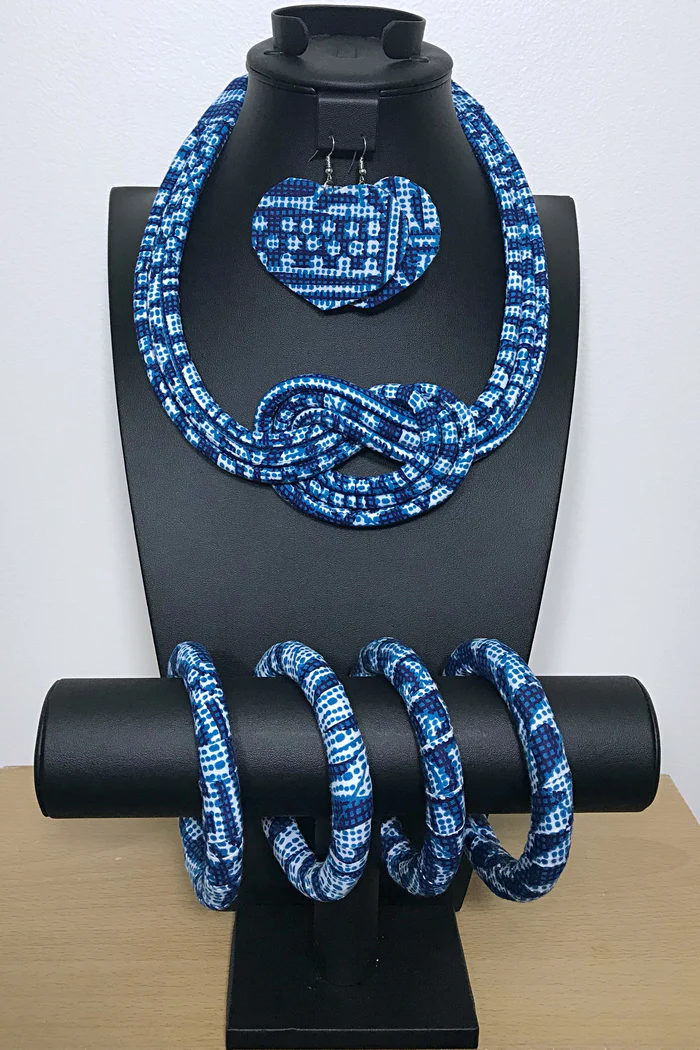
Beyond clothing, Ndop fabric is used for home décor and accessories such as pillows, tote bags, and flip-flops. Its distinctive patterns inspire modern fashion and interior design while continuing to serve as a sacred ceremonial textile in traditional societies, reflecting its enduring cultural and spiritual significance.
In essence, Ndop fabric continues to be woven into the fabric of Cameroonian culture, reflecting the multifaceted nature of its usage across traditional attire, home decor, contemporary fashion, and sacred rituals. Its presence signifies the legacy of the Bamileke people and their commitment to preserving their cultural heritage.
Ndop fabric is a true cultural marvel from Cameroon, captivating hearts and minds with its intricate designs, vibrant colors, and deep-rooted symbolism. As we celebrate Ndop, we honor the rich heritage and artistic traditions of the Bamileke people, recognizing the significance of this textile in preserving their cultural identity. From its historical origins to its modern interpretations, Ndop continues to inspire creativity, foster cultural appreciation, and serve as a timeless testament to the power of tradition in the ever-evolving world of fashion and beyond.
African fashion is the rhythm of our traditions, the melody of our stories, and the dance of our culture. - La Djalobienne Eton
References:
https://www.metmuseum.org/art/collection/search/636847https://fr.wikipedia.org/wiki/Ndop_(textile)https://www.noaliving.com/artworks/traditional-rugs-and-textiles-ndop-cloth-bamileke-people-cameroon/https://www.explore-vc.org/en/objects/the-case-of-ndop-royal-fabric.htmlhttps://rootstoglory.com/kings-happi-of-bana-cameroon-the-legacy-of-a-king-after-he-has-traveled/https://www.metmuseum.org/art/collection/search/317937https://lepagneenfolie.wordpress.com/wp-content/uploads/2017/12/412d3dceb2e323167fa3c9bbab88eb5b.jpghttps://www.pinterest.com/pin/131378514102190521/https://www.pinterest.com/pin/465067099012308990/https://www.hamillgallery.com/BAMILEKE/BamilekeNdopCloth/NdopCloth02.htmlhttps://english.news.cn/20230308/41798aacf1a7491eacd501af0fb28f74/c.html

.png)
.png)
.png)
.png) The Art of Ndop: Tradition to Modernity
The Art of Ndop: Tradition to Modernity.png)



.jfif)


No comments:
Post a Comment