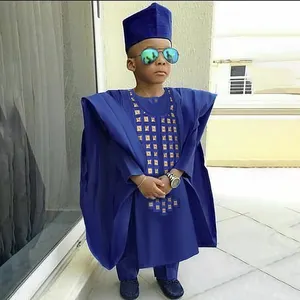
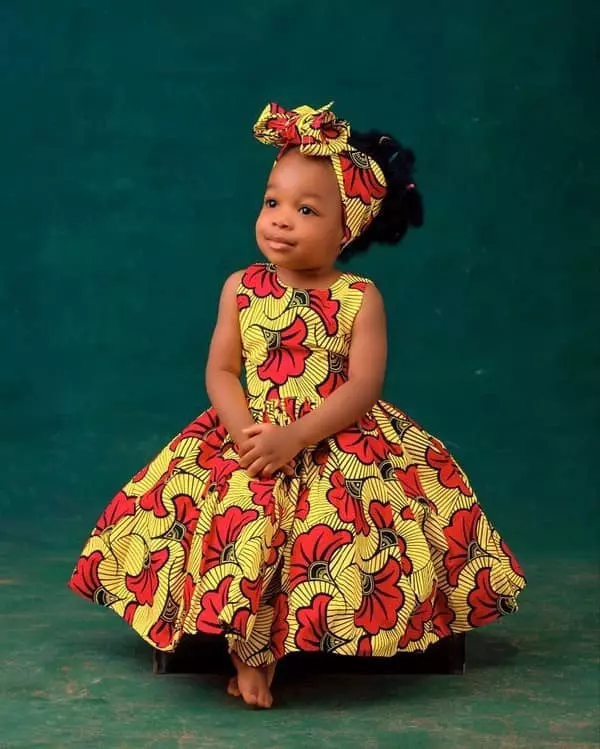
Ankara fabric, characterized by vibrant colors and intricate designs, serves as a rich tapestry representing culture, history, and identity. Originating from the Indonesian batik technique, it found its home in West Africa, becoming a significant part of the continent's cultural expression. Beyond its visual appeal, Ankara fabric is a cultural emblem, symbolizing African heritage and showcasing the enduring artistry of its people. Each design and color in this fabric carries profound meanings, turning it into a language that speaks volumes about African people's history, beliefs, and aspirations. This exploration delves into the world of Ankara fabric, unveiling its symbolism, history, and profound resonance with those who wear it. From its origins to its role as a symbol of cultural pride, Ankara fabric tells a compelling story with every thread.
The Origin of Ankara
The origin of wax print fabric can be traced to the Indonesian Batik Technique, discovered by Dutch merchants during the colonization of Indonesia. Seeking an affordable replication using machine printing, they failed to penetrate the Indonesian market but succeeded in West Africa in the 1880s. Wax print fabrics became integral to African culture, serving as a means of communication with widely understood symbolic patterns. Evolving, these fabrics became more African-inspired and owned by Africans, even entering formal wear for leaders and the affluent.

In the 1960s and 1970s, Ankara fabric symbolized African independence and identity. Influential leaders like Kwame Nkrumah encouraged citizens to wear locally produced textiles, supporting regional industries and fostering cultural pride. Today, Ankara fabric is popular in West Africa, especially in Nigeria, Ghana, Ivory Coast, and Senegal, being the preferred fabric for traditional attire like the Boubou, Agbada, and Kaftan. Its influence extends beyond West Africa, reaching into Central Africa.
The Art and Tradition of African Print Manufacturing
Ankara manufacturing is a complex process that creates the vibrant Ankara fabric, a prominent textile in African fashion. The process begins with design, where artists draw inspiration from various sources to create intricate patterns. Vibrant colors are carefully chosen and blended to make the fabric visually striking.

The fabric undergoes various printing techniques to transfer the selected patterns, including roller printing, screen printing, and wax-resist dyeing. In the dyeing phase, the material is imbued with the chosen colors, and wax-resist dyeing may involve wax removal to reveal the patterns. After dyeing, finishing processes like washing and drying ensure color fastness and softness. Quality control is maintained throughout, guaranteeing the fabric meets high standards.
This manufacturing process is a collaborative effort that combines skilled artisans, designers, and modern techniques to create visually captivating fabric loaded with cultural significance, reflecting African heritage and narratives through intricate design.
Vibrant Colors, Patterns and Symbolism
Ankara fabric, also known as African wax print fabric, is highly esteemed in African fashion for its vibrant patterns and exceptional durability achieved through the "wax-resistant" printing technique. The fabric's striking colors and intricate designs hold profound cultural and symbolic meanings, with each color symbolizing values such as growth, prosperity, passion, love, joy, and hope. These diverse patterns, from geometric motifs to floral designs, often connect to proverbs, history, and cultural beliefs.


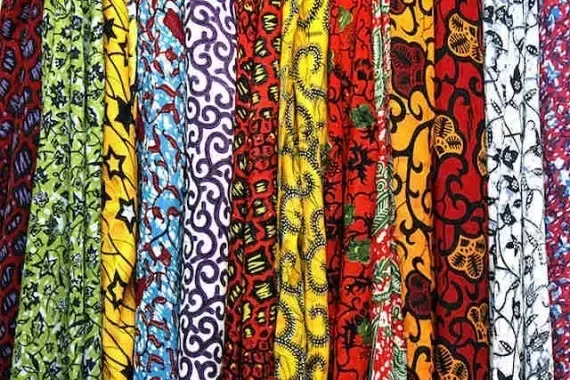
Beyond its role in fashion, Ankara fabric is a potent tool for expressing cultural identity and pride, commonly worn at significant events like weddings and funerals. It can also take on a spiritual role, adorning statues and altars in African traditional religions. Additionally, the quality and design of Ankara fabrics can indicate social status, with some regarded as exclusive and prestigious.
In essence, Ankara fabrics transcend their textile form, acting as vibrant messengers that convey deep-rooted cultural values, personal identity, and societal status within the rich tapestry of African heritage. African Textile Mills Limited, based in Kano, Nigeria, specializes in crafting top-tier custom fabrics for various occasions, including political campaigns, corporate branding, association gatherings, weddings, religious ceremonies, coronations, anniversaries, and more.
Ankara in Modern Fashion
Ankara fabric has become a defining element in modern fashion due to its vibrant colors and intricate patterns, transcending its African roots to make a global impact. Here's how Ankara fabric has marked its place in contemporary fashion:
Cultural Fusion: Ankara fabric seamlessly integrates into contemporary style, allowing designers to merge traditional African aesthetics with global fashion trends, celebrating diversity.
Runways and High Fashion: Ankara prints have graced major fashion runways globally, with renowned designers incorporating the fabric into their collections, highlighting its versatility and ability to make a statement in high fashion.
Everyday Wear: Once associated with special occasions, Ankara fabric is now common. Dresses, skirts, tops, and accessories like bags and shoes are crafted from Ankara fabric, allowing for bold patterns in everyday outfits.


Customization: Ankara fabric offers a high degree of customization, allowing consumers to tailor clothing to their preferences enhancing uniqueness in fashion choices.
Global Appeal: Beyond Africa, Ankara fabric has gained international popularity. Its vibrant designs attract people from diverse cultural backgrounds, symbolizing cultural exchange.
Sustainable Fashion: Ankara fabric aligns with the growing sustainable and ethical fashion trend. Its durability and timeless appeal make garments made from Ankara fabric cherished for years, reducing the environmental impact of fast fashion.
Expression and Identity: Ankara fabric is a powerful means of expressing cultural identity and pride. It allows individuals to connect with their heritage and roots through fashion, becoming a symbol of self-expression.
In modern fashion, Ankara fabric represents the evolving landscape where tradition seamlessly blends with contemporary design. It stands as a symbol of diversity, self-expression, and the enduring appeal of vibrant patterns and colors in the fashion world.
Ankara cloth serves as a cultural link for individuals of African descent, enabling them to maintain ties to their roots, celebrate their heritage, and express their identity. Whether adorned at weddings, cultural events, or daily wear, Ankara fabric is crucial in keeping African traditions vibrant. In an era of increasing global connectivity, the preservation and celebration of cultural heritage are vital. Ankara cloth exemplifies how fashion intersects with culture, offering a means for individuals to articulate their identity and history through their attire. A vibrant tapestry of African heritage, pride, and creativity, Ankara cloth, with its colorful patterns and rich history, continues to resonate globally, ensuring that the narrative of African culture and tradition endures through the universal language of fashion.
Wearing Ankara is like wearing a piece of your heritage.- La Djalobienne Eton
References:
- https://www.oludan.com/blogs/news/a-brief-history-of-ankara-fabric-and-african-prints
- https://kitengestore.com/african-wax-print-clothing-story-behind-fabric/
- https://www.ankara.com.ng/2023/04/16/history-of-ankara-fabrics/?v=4874ed2a3309